
What to Eat for Energy: A Functional Nutrition Guide for Women in Their 30s and 40s Facing Fatigue and Burnout
Learn how to nourish your body with simple, sustainable, functional nutrition principles designed for overwhelmed, exhausted women in their 30s and 40s.
I have hesitated to create much content around nutrition specifically, which is interesting because nutrition is not only one of my main interests and areas of expertise, but I also know that nutrition is foundational, critical to feeling well and vibrant in your body. This is why I completed a multi-month Functional Nutrition training program - because an incredible amount of healing from a wide array of ailments can be improved through learning to eat well for your body.
I’ve hesitated because the market and the internet feels so saturated with Eat this! Not this! You need this superfood! This is the only diet that can possibly work for you! And endless cacophony of nutrition advice that is mostly geared towards getting you to spend money on something someone is selling.
I didn’t want to contribute to the noise. I didn’t want to put information out there about nutrition and diet that wasn’t nuanced, kind, and nervous-system friendly.
But then it dawned on me - the internet needs more nutrition guidance that is kind, balanced, well-rounded, nervous-system friendly and meant for women (duh!). Nutrition advice that is meant for women with busy lives, energy issues, and overwhelm. Nutrition education that will actually help a mom who is burned out, exhausted, and fucking done with having to cook three meals a day that are also nutritious and healthy for her and her whole family.
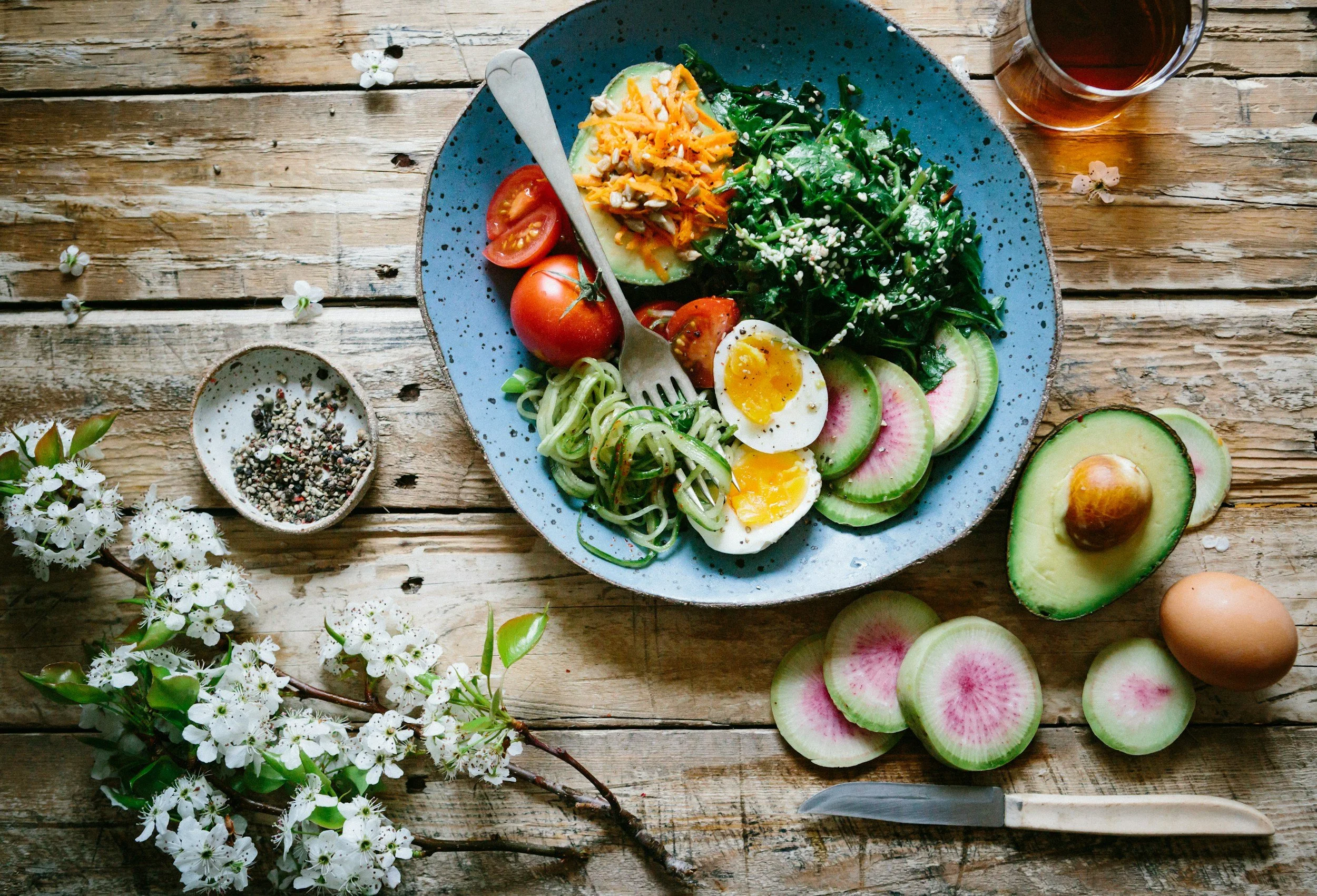
Eating healthy doesn’t have to be as challenging or complicated as you might believe. Simple, organic, flavorful ingredients create tasty meals that give you energy and feel good in your body,
For this article to be genuinely helpful, it must be nuanced and detailed, so buckle up, grab a cup of tea, and let’s sit down and talk about what to eat if you are a woman dealing with fatigue, chronic health issues, and burnout.
First and foremost, you probably already know this - at least on some level - nutrition is foundationally important to feeling well in your body. In a lot of ways it is the bedrock on which we can stand in order to feel well.
One way to say it: if you don’t get your nutrition right, you are never going to feel great in your body. If your nutrition is off, it is likely that your energy will be too.
I say this in the sense that learning to eat in a way that is kind, nourishing, and helpful to your body is of the utmost importance, not that there is one specific diet that is the only right way to eat.
Let’s talk about a few reasons that nutrition is SO critically important.
1. Everything you put into your body sends a signal to your biology.
What you eat is the fuel for your biology - or the poison. What you eat either nourishes, restores, and creates energy or it inflames and stresses out. Is there nuance? Of course - but sometimes it is helpful to make it this simple: is what I am eating helpful or hurtful? Does this food help my body do its job or is it something my body will have to overcome to do its job?
2. Nutrition helps you address the root causes of fatigue, burnout, and many seemingly diffuse and unrelated health issues.
Proper nutrition can help you regulate unstable blood sugar, reduce inflammation, fill in nutrient gaps, minimize stress on the gut, improve hormone function, and on and on.
3. Nutrition is foundational - you can’t out supplement or out medicate a bad diet.
If you do everything else right, but your nutrition isn’t working for you - it’s inflaming you, draining your energy, or taxing your systems - then the other lifestyle and supplement/medication changes won’t be able to override improper nutrition.
4. Learning proper nutrition for your specific body is also a remarkable pathway towards thinking for yourself, discerning your own body’s cues, trusting your own needs and not outsourcing your wellbeing to others outside of you.
My hope in my coaching program and anytime someone enters into my circle (through Instagram, Substack, or the I AM program) is that the main takeaway you have is you learning to connect with and trust your own body.
Nutrition is a peak example of how we as women very often go outside of ourselves for the answers: we look to experts, to people we want to look like, to internet articles, etc. But the real magic happens when you understand that your nutrition is personal, tailored to you, and will come from you learning to listen to your own body’s needs.
For example, you might read that raw milk is all the rage, that it is one of the most nutrient-dense foods that you can eat and therefore you better start including it into your diet right now. But does it work for YOU? How does it feel in your body? How does it incorporate into what you enjoy? What you have time for?
…see where I am going with this?
Here is what I want to drive home:
When you learn to trust yourself when it comes to nutrition and learn to see past the advertising and make decisions for your body and your unique system and circumstances, you are learning a skill that can reverberate out into your life forever - listening internally for the answers, trusting your own body’s wisdom, and never outsourcing your wellbeing to corporations and systems that do not truly have your best interest in mind.
I know personally that nutrition was the gateway into a whole new way of thinking and being from a place of my personal values, rather than following the mainstream. If we are honest, if you eat the mainstream American diet you are likely to end up with one of the top lifestyle diseases pretty darn fast. Big food money runs our food culture and you must remember that when you shop and eat.
But I digress…
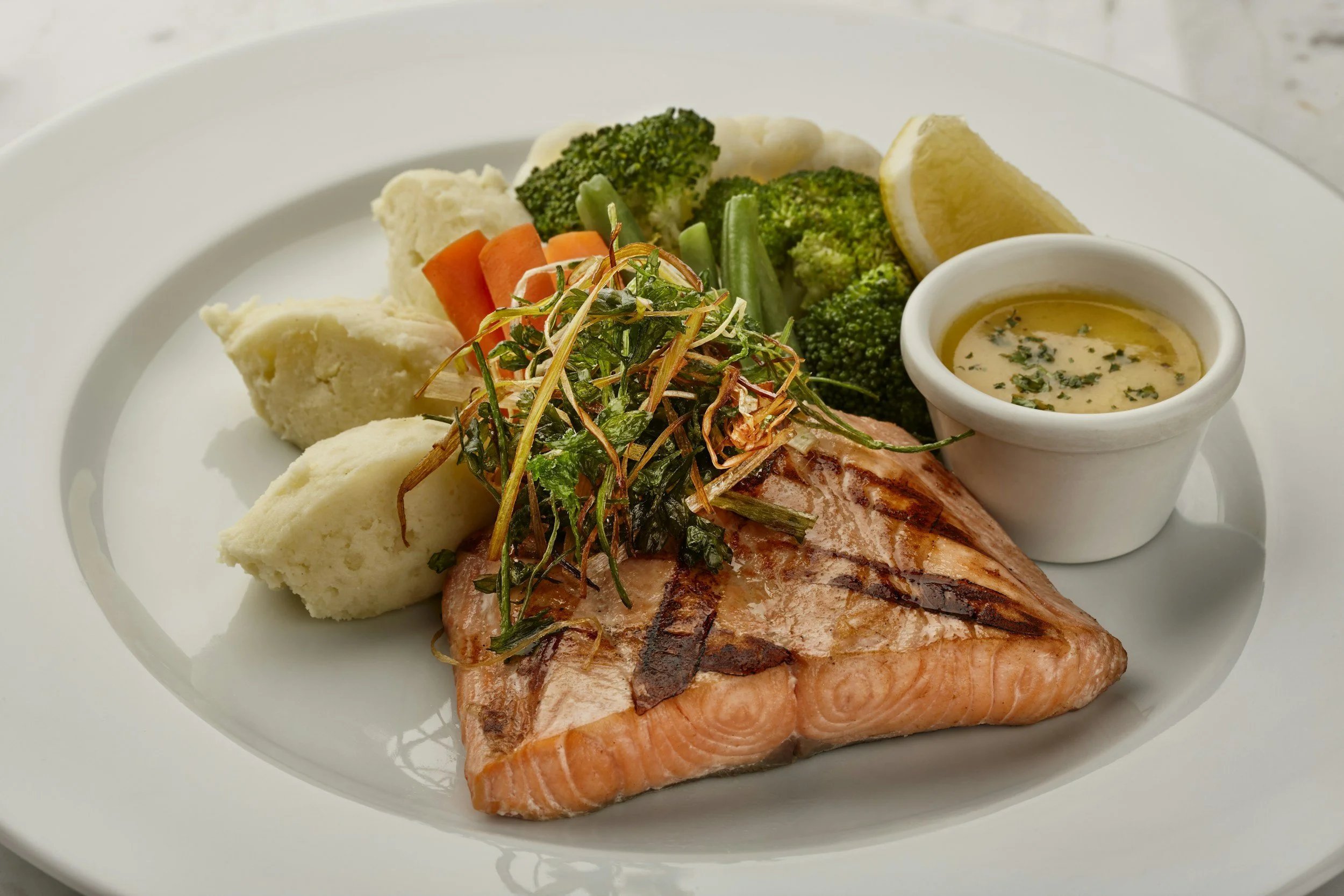
Eating healthy is not punishment. In fact, it is one of the greatest act of self-love and self-care.
You are doing something that gifts you more energy and clarity, improves your mood, regulates your hormones, reduces stress, improves sleep, keeps your heart healthy and your brain healthy - and so much more. Every time you eat healthy, nourishing, nutrient-dense food, you are literally feeding yourself with goodness - what could be kinder than that?
I know you are really here to get advice on what to eat. So let me give you my best advice based on up-to-date nutrition science, personal experience, and anecdotal evidence.
This is a foundation from which to start, but the most important aspect of nutrition is that you personalize it to you and you listen to the cues your specific body is giving you.
Parts of my advice may resonate, parts of it might not work for you. So please - am I beating a dead horse here? - honor your body’s wisdom over the information in this blog article. Honor your unique responses to food over what anyone else tells you and also be willing and open to take in new information and try it on for size. You really do know best.
Before we talk about building the perfect plate of food, let’s start with some of the top mistakes I see women in their 30s and 40s making when it comes to nutrition (especially the mistakes that women dealing with fatigue and health issues are making).
Mistake #1: Skipping meals (especially breakfast) and/or under-eating (and not getting enough protein)
I can’t overemphasize this enough: getting proper morning nutrition and enough calories every day will change your life.
In the demographic I mostly work with (high-achieving, motivated, and sensitive women), you have been taught to be skinny, be small, and eat less. This is a mindset that is pervasive in women of the millennial to boomer generations.
The irony is that by limiting calories, it actually signals to your brain that you are not safe and therefore better hold onto the calories you got (Mel Robbins and Dr. Stacy Sims did a great podcast on this I highly recommend), causing you to hold onto fat while you also have less energy to live your life. You might be surprised how much of your stubborn weight issues are actually not eating enough of the right foods to signal to your body to use that fuel.
But more importantly, when you eat enough food at regular intervals you signal to your body that it is safe, cared for. This helps your nervous system feel calm.
When you eat enough food, your blood sugar is regulated, giving you even, sustainable energy throughout the day, preventing energy crashes, blood sugar dips, and subsequent binges. Your work will feel better, your workouts will feel stronger, you will feel more emotionally available for your family.
When you eat enough food, your hormones are happy. They receive the biochemical signals and precursors they need to be produced and functioning at an even, sustainable level. This also makes you feel calmer, happier, more clear in your mind, gives you better energy, makes your sleep better, etc.
I am not saying every single person needs to eat more food - but check-in: are you eating enough for breakfast? Are you meals nutrient-dense with protein, fat, and carbs?
Mistake #2: Becoming so strict/inflexible that it can’t become a way of life. Rigidity leads to failure. The ideal long-term nutrition plan is not so rigid nor so inflexible that you can’t live your life.
Sometimes when you are dealing with complicated health issues, an elimination diet or a period of strict nutrition is required to heal and get answers, but this is not meant to be your long-term plan!
The way you eat should feel like a sustainable, enjoyable, doable lifestyle.
Mistake #3: Grazing all day vs. three full meals. Eating “traditional” breakfast.
This goes along with eating enough food. My suggestion is to eat three full meals a day (with maybe an afternoon snack in there, or a pre-workout snack) versus grazing all day.
You want your body to experience satiety. You want to experience periods of the day where you are not eating. You want to regulate your blood sugar through well rounded meal times, not little bumps throughout the whole day.
By traditional breakfast, I mean avoid pastries and coffee shop grabs first thing in the morning. If you are starting your day with carbs, sugar and caffeine, you are wrecking your energy before the day even gets going.
Carbs and sugar are fast burning and spike blood sugar, setting you up for a crash, a hunger deficit (which leads to brain fog, crankiness, hormone issues, mood problems, burnout, and basically feeling like crap), while also putting your body into flight/fight mode, wondering where it’s next energy efficient meal will come from which disturbs your nervous system, causes anxiety, and feelings of unease.
This might seem crazy, but your morning sugary snack is literally destroying your sleep! When a blood sugar roller coaster starts in the morning and it’s very hard to right the ship. Your sleep problems? Likely have a blood sugar component, which is taken care of through eating blood sugar regulating meals throughout the whole day.
Eating protein, fat, and carbs in appropriate portions not only will leave you feeling more nourished, it will literally make your life so much better.
For the record - I am not villainizing the occasional special treat pastry. This is one of the joys of life. But if you are serious about feeling well, treating your body with kindness and care, and getting your energy back, commit to transitioning to three full meals a day versus snacks and sugar bump grazing behavior.
Mistake #4: Believing that healthy eating cannot be pleasurable or enjoyable.
This is a mistake and myth I will spend my life busting open. Again, we have been socialized to believe an image that is just simply not true. The type of healthy eating I am encouraging you to adopt is flavorful, satiating, delicious, as creative as you want it to be.
I just saw on an episode of the TV show, Landman, the two beautiful, very thin women ordering a chicken caesar salad with no croutons, cheese or dressing. AKA lettuce and grilled chicken 🙄 The fact that this is still purported as healthy eating for women in 2025 UGH!
On the flip - I am the healthiest eater in my family, and my whole family prefers my cooking!! They beg me to cook the family meals when we get together.
My food tastes the best because it is made with organic, high-quality ingredients - and that will always trump crappy non-food food.
So please, do not buy into the myth that healthy eating is somehow sad, flavorless, and destined for less joy. This couldn’t be further from the truth.
Mistake #5: Failing to understand the motives of the processed-food industry and “shopping commercial”
The food industry is mostly not interested at all in whether their food has a negative impact on your health. It just wants you to eat more and buy more.
This means you have to become a discerning buyer. Read labels for the ingredients, shop organic, shop local. Don’t trust the marketing and instead learn to flip the item over and read the ingredients for yourself.
This is empowering. The more you learn, the more you know, the more empowered you will feel to make choices for you and your family based on a grounded sense of self and knowledge versus by the winds of the billions of marketing dollars you witness in the grocery store.
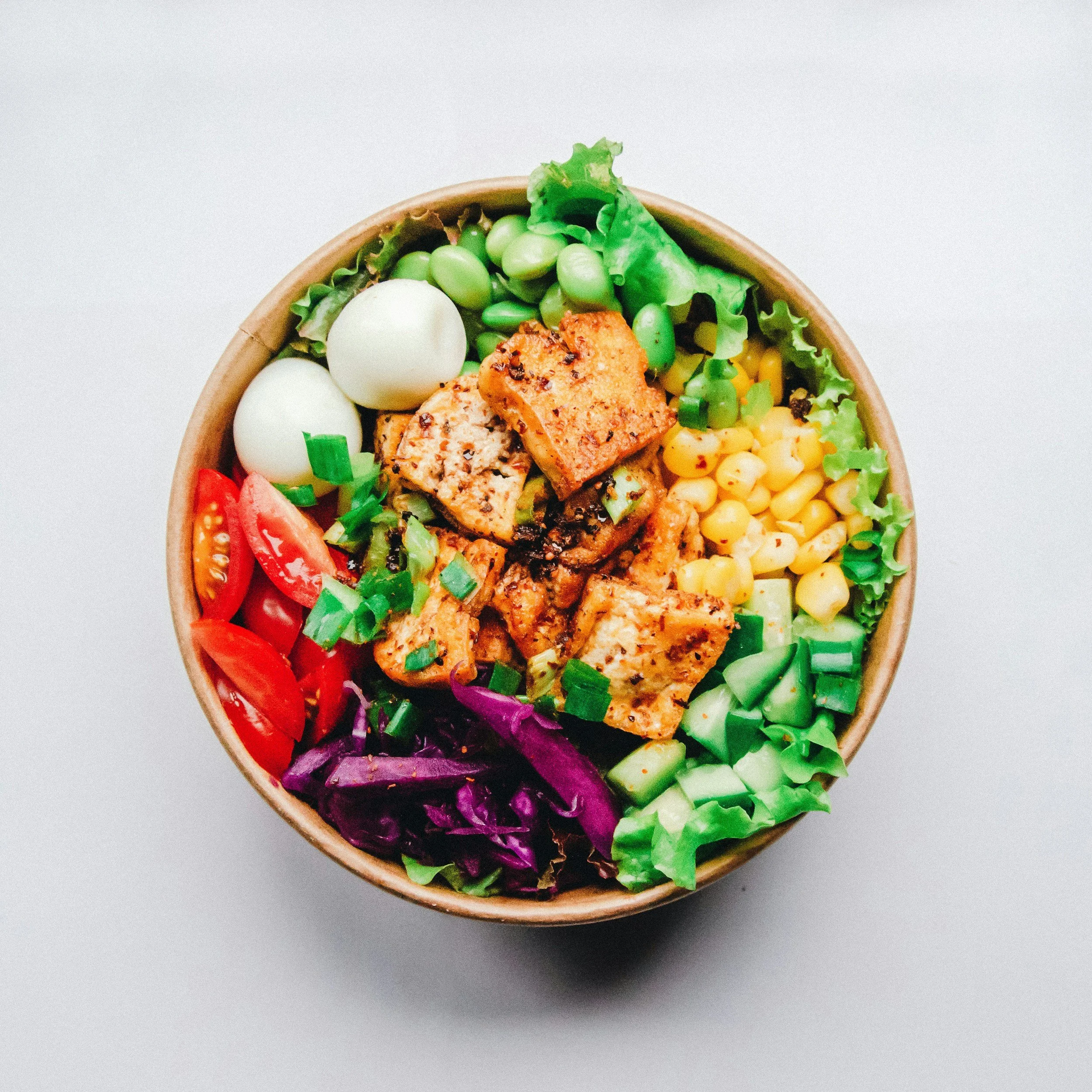
One Reason You’re Feeling Run Down
Fatigue and unexplained symptoms often come from:
• Blood sugar swings
• Nutrient deficiencies
• Gut inflammation
• Hormone imbalance
• A nervous system that’s overwhelmed
Nutrition is one of the fastest and most important factors in shifting these issues.
Okay we made it! Let’s talk about how to build your perfect plate, what to eat to feel well, and how to shop for success.
Here are some main principles for eating as a women in her 30s or 40s when dealing with burnout, fatigue, and unexplained health symptoms:
Shop organic as much as possible. I’ll not get on my soapbox, but just think about the fact that pesticide-drenched food is considered “normal” and food grown without chemical poison needs a special label 😖
Eat food that doesn’t need a label as much as possible (high-quality meat, veggies, fruit, etc. all don’t need a label to know what they are). I know you know this, but let me remind you: eat whole foods grown and produced from the earth, like our ancestors did, like we are meant to.
Read ingredient labels for whole ingredients, not macronutrients. Get in the habit of reading ingredients and look for whole, real food ingredients. Be less concerned with specific macronutrients and instead focus on eating nutrient-dense food. Avoid long ingredient lists, chemicals and preservatives, seed oils.
Prioritize high quality protein (grass fed beef, wild caught fish, organic poultry), healthy fat (olive oil, coconut oil, nuts and seeds), and veggies (a wide variety of colorful organic veggies). See below for portion sizes. Fiber is super important as well, but if you are getting a wide variety of colorful veggies and nuts/seeds, you are likely getting good fiber - so I think it is easier to think about protein, fat, and veggies as the foundations.
Include moderate carbohydrates (starch veggies, organic rice, organic quinoa, organic beans) - be mindful of your personal response to carbs. Some people truly don’t tolerate carbs very well (I am someone who has to be moderate about carbs - when I overemphasize carbs, I feel brain fog and energy issues).
Remove gluten. I know, I am sorry, don’t shoot the messenger! Gluten in the States is essentially an inflammatory food - if you are already sensitive, burned out, or struggling with weird health issues and symptoms, I really recommend that you remove it from your diet and allow your gut lining to heal.
Dairy is very personal (some can tolerate, some cannot). Organic is important.
Moderate sugar and caffeine.
Hydrate well with minerals and filtered water.
Of course, each person will have additional individual needs. And you might also consider including fermented foods and other special and superfood foods, but these are foundational principles from which to begin, get grounded in having a strong foundation to stand, and then you may grow from there.

How to build a perfect plate that is nutrient-dense, hormone healthy, and functional for women looks like this:
1. Build your plate around your protein source (meat, poultry, seafood, eggs). It is essential at every meal.
One palm-sized serving of protein per meal
2. Vegetables
Eat twice as many veggies as meat, in general.
Two fist-sized servings of veggies per meal
Double the above for leafy greens and salads
3. Fats & Oils
One thumb-sized serving per meal or ¼ avocado
**These are general guidelines to use as a starting point or an orienting point. Of course each person with their specific bodies, activity levels, and individual needs will be different.
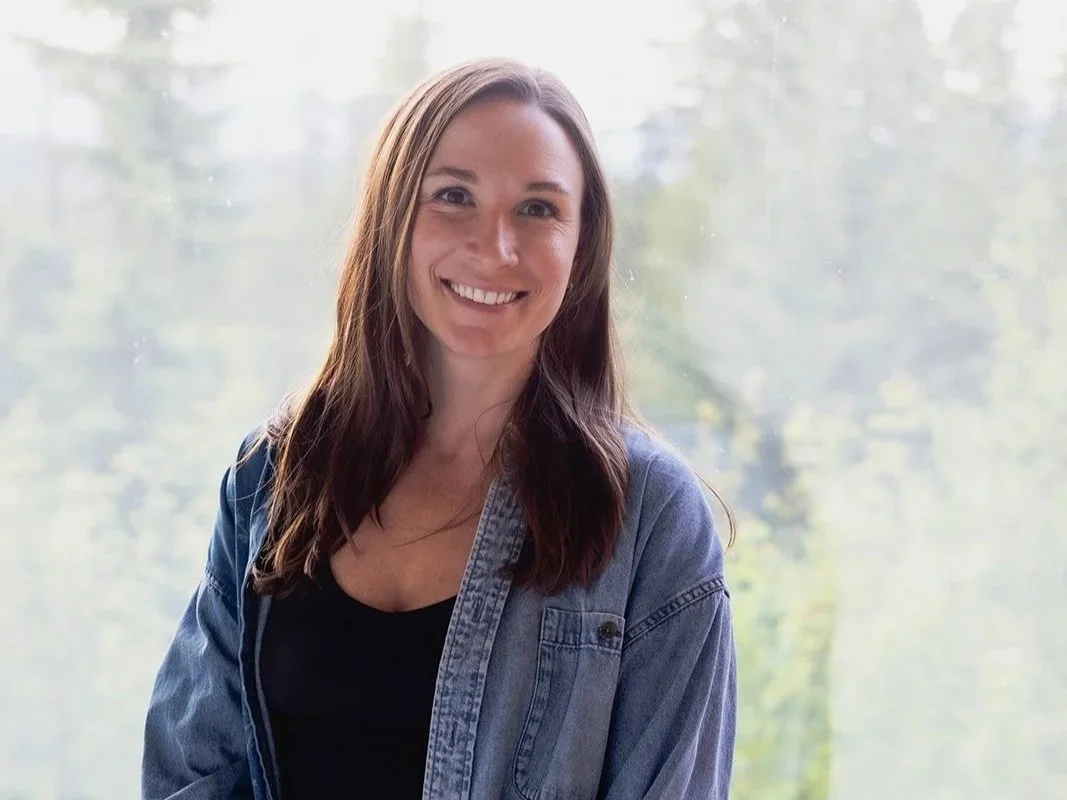
Katie Halsted, LCSW
Mindbody Health Coach, Functional Nutrition Guide
I help women come home to their bodies and learn to live in alignment so life can feel energetic and vibrant again.
Okay I think this is a good place to wrap up for now. Come back for meal suggestions, tips for making nutrition and easier part of your routine, and other nutrition guidance here on the blog.
Nutrition is one of the primary pillars we discuss in the I AM (Integrity Alignment Method) Coaching Program - a high-touch coaching experience for women to recover their energy and vitality by coming back home to themselves.
I will help you dial nutrition in a way that is sustainable, healthy, and delicious for you to feel truly nourished and energetic throughout your days. Through the program you will learn how to take this information from theory and ideas to learning how to implement it into your specific life in a way that feels really good.
If you are ready to step into the next version of you - healthier, more grounded, more connected and energetic - learn more and apply now to the I AM Coaching Program.
